

Home » Solar Battery Installation
Integrated solar and battery storage systems designed to provide backup power, smarter energy management, and greater long-term control over how your home produces, stores, and uses energy.
A smarter home energy system
Modern battery storage systems do far more than simply provide emergency backup during outages. When properly integrated, storage systems become part of a smarter, more flexible home energy infrastructure that gives homeowners greater control over how energy is generated, stored, and used throughout the day.
By storing excess solar production for later use, battery systems help homeowners improve energy flexibility, reduce dependence on utility interruptions, and better manage how energy is consumed during peak usage periods, evenings, and outages.
As homes continue evolving with higher electrical demands, EV charging, smart technologies, and increased electrification, battery storage is becoming an increasingly important part of long-term home energy planning.
Proper system integration matters significantly with battery storage. Unlike standard solar-only systems, storage solutions require coordination between electrical infrastructure, backup loads, system controls, monitoring platforms, and utility interaction. Our approach focuses on designing storage systems that operate reliably, integrate cleanly, and remain adaptable as household energy needs evolve.
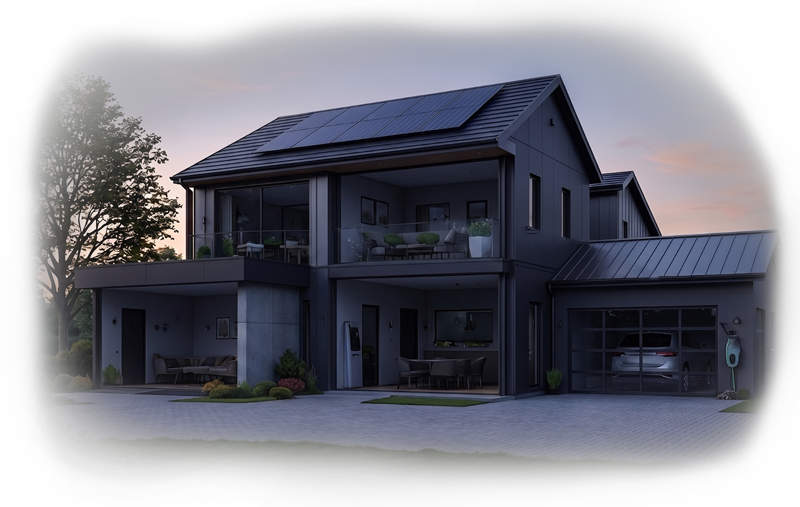
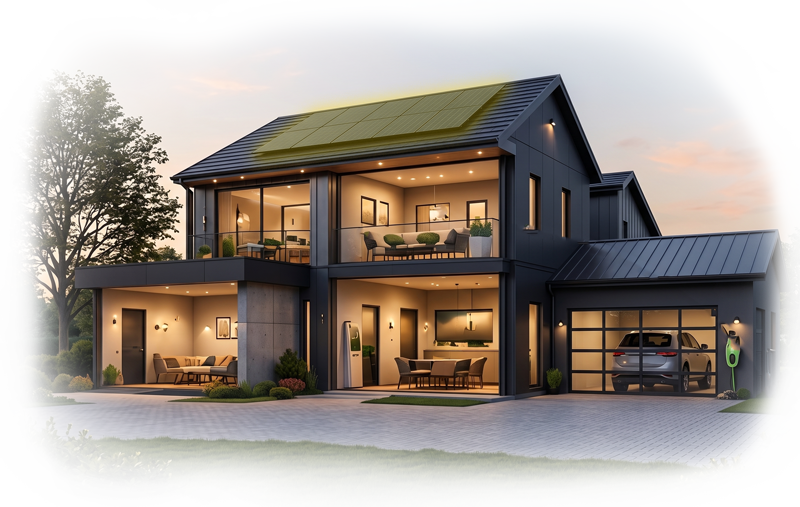
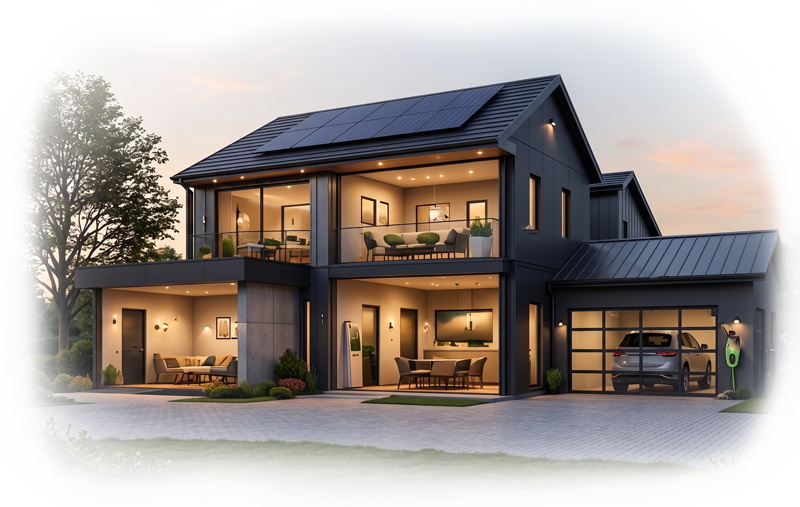
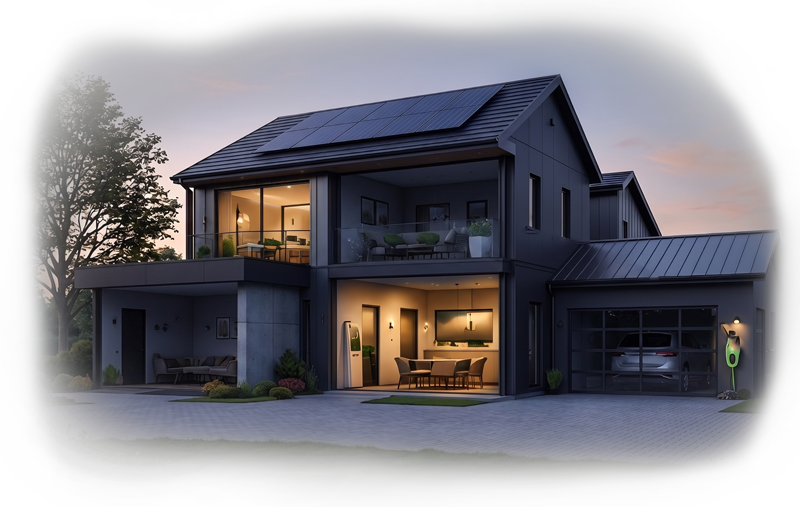
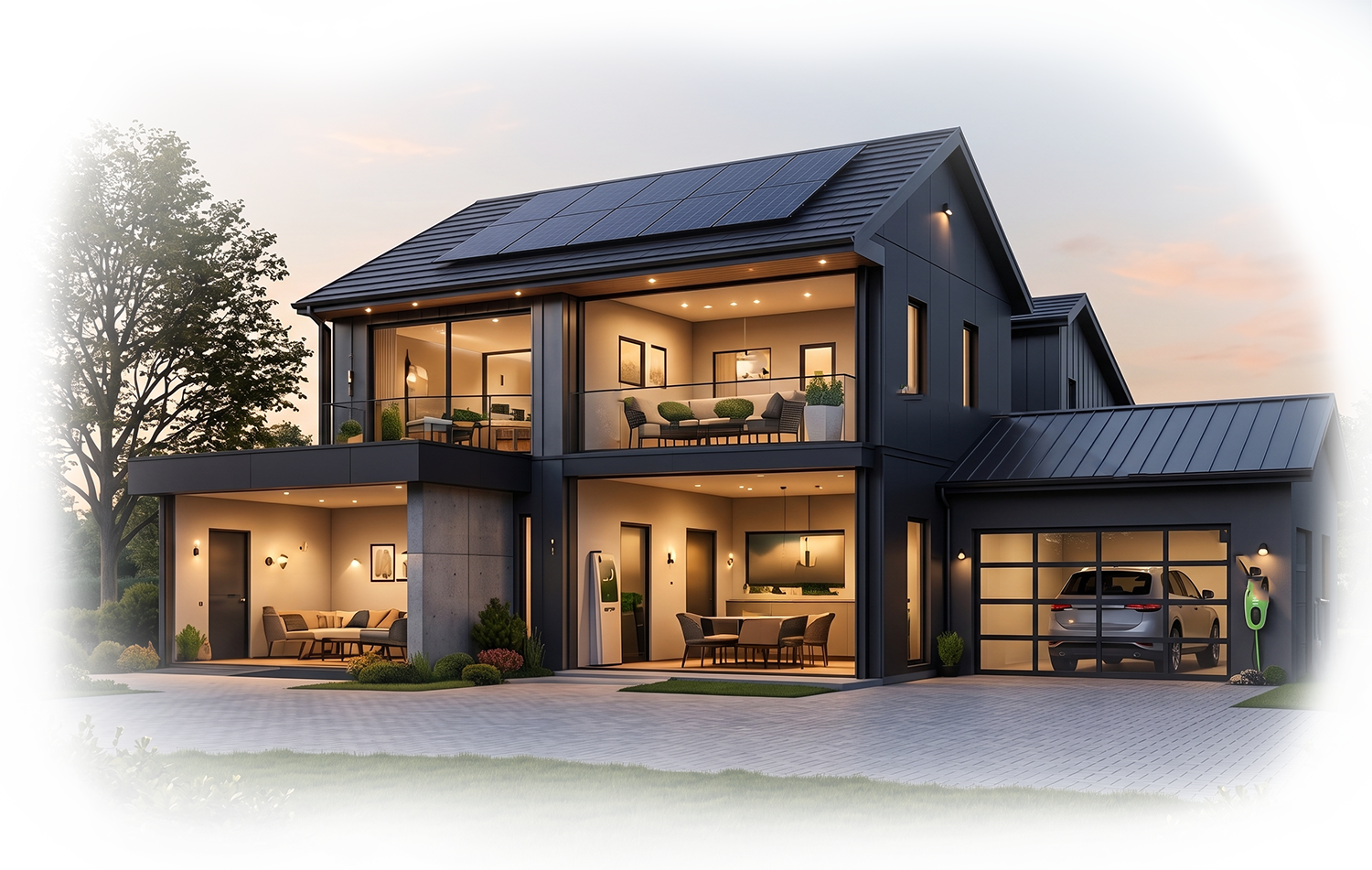
Follow your energy, from the rooftop, into the battery, through every room, and back to the grid. And see what happens when the grid goes down.

Built for Real Homeowner Needs
Every home uses energy differently, which is why battery storage systems should be designed around actual usage patterns, backup priorities, and long-term goals rather than one-size-fits-all assumptions.
At Simple Solar, storage systems are evaluated based on daily energy usage patterns, critical load priorities, existing electrical infrastructure, solar production capacity, future expansion potential, and long-term operational goals.
Whether supporting essential loads during outages or creating a more flexible long-term energy strategy, properly integrated storage systems should operate predictably, efficiently, and seamlessly within the home.
Why Homeowners Are Adding Storage
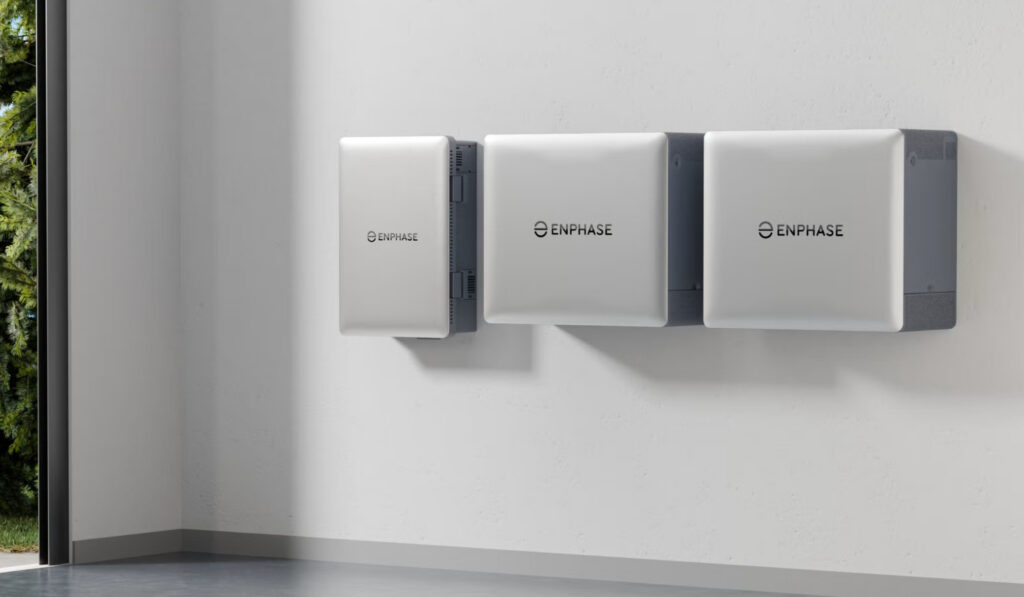
Backup Planning Built Around What Matters Most
Not every home requires the same backup strategy. Some homeowners prioritize keeping essential circuits operational during outages, while others may want broader whole-home backup capabilities depending on energy usage and system configuration.
Our team helps evaluate which loads and systems are most important to maintain during utility interruptions, including:
Storage Platforms
Battery storage systems are not one-size-fits-all. Different homes, energy usage patterns, backup priorities, and long-term goals may require different system architectures, storage capacities, and integration approaches.
Our team helps homeowners evaluate the right storage platform based on factors such as essential load vs. whole-home backup goals, existing solar system compatibility, monitoring and control preferences, expandability, electrical infrastructure requirements, and long-term home energy plans.
Rather than focusing solely on specifications or marketing claims, our approach prioritizes long-term operational reliability, integration quality, and overall system usability.
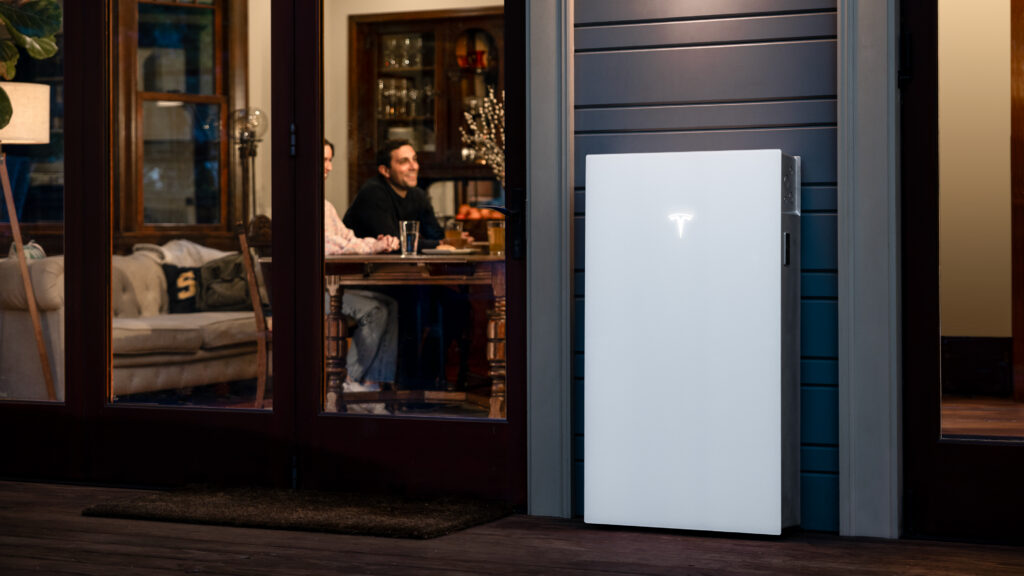
Backup Solutions Designed Around Your Priorities
Different homeowners prioritize backup power differently depending on lifestyle, household energy usage, and operational priorities. Some may only want essential circuits powered during outages, while others may prefer broader partial-home or whole-home backup strategies.
Storage configurations can often be designed around:
Build Your Backup
Integration Quality
Battery storage systems require careful electrical integration, system configuration, and operational planning to ensure safe and reliable performance. A properly designed storage system should operate predictably during normal daily use while also transitioning seamlessly during utility outages.
Storage systems are installed with attention to electrical safety, code compliance, long-term serviceability, and manufacturer integration standards. Because battery systems involve backup power operation, transfer switching, energy management controls, and electrical coordination, installation quality and long-term serviceability become especially important.
Rather than focusing solely on battery specifications or oversized backup claims, our approach prioritizes practical performance, thoughtful design, and long-term reliability.
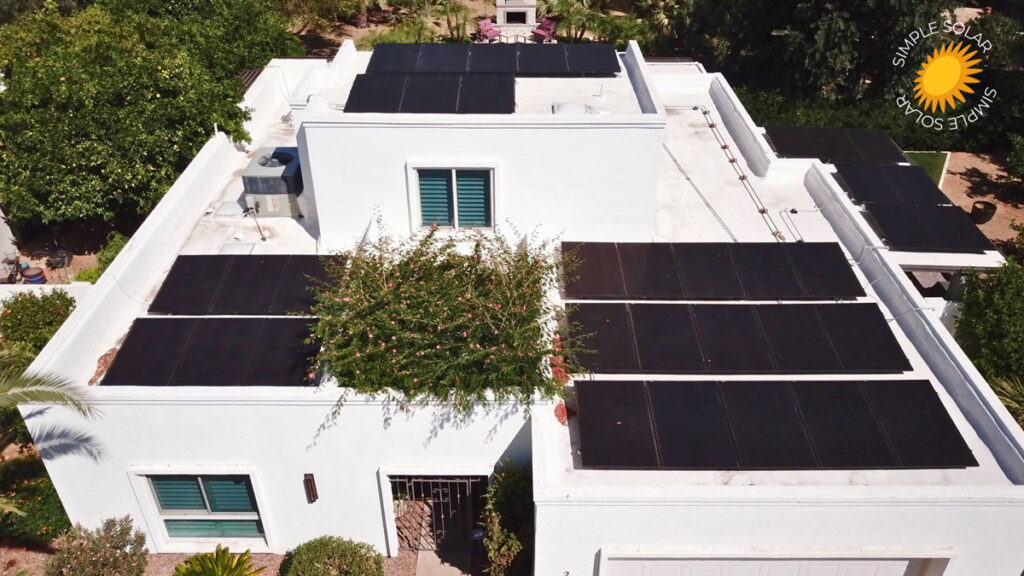
Reliable During Both Normal Operation & Outages
A well-designed storage system should feel seamless during everyday use while remaining dependable during utility interruptions. Our focus is on creating systems that support real-world homeowner needs through practical engineering, clear system configuration, and reliable operational performance.
Smarter Energy Management
Battery storage allows homeowners to manage energy more strategically by storing excess solar production for use later when demand, utility rates, or household consumption may be higher.
Depending on system configuration and homeowner priorities, storage systems may support evening energy usage optimization, time-of-use energy management, reduced reliance on grid power during peak periods, and smart monitoring with app-based controls.
As energy usage patterns evolve over time, properly integrated storage systems provide greater operational flexibility and long-term adaptability.
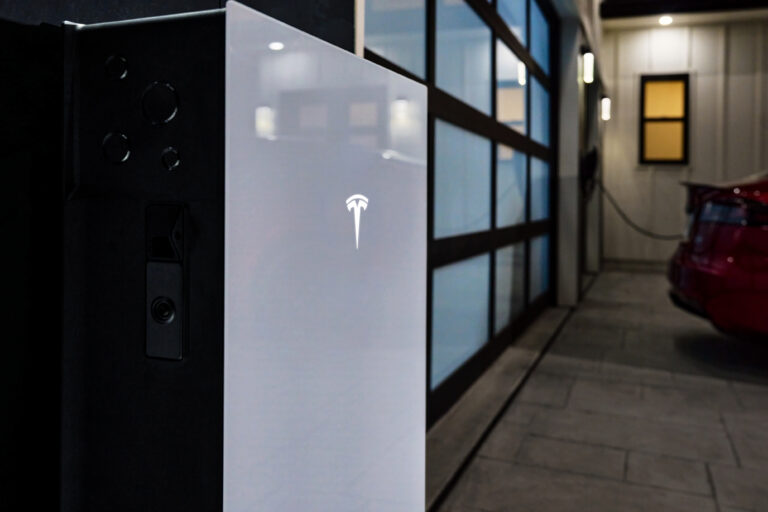
Designed for Electrification & Evolving Energy Needs
Homes are becoming increasingly electric through EV charging, electrification, smart appliances, and higher overall energy demand. Battery storage helps create a more adaptable energy infrastructure capable of supporting these evolving needs over time.
Rather than treating storage as a short-term add-on, our approach focuses on creating systems that support long-term usability, flexibility, and future expansion potential.
Real-Time Monitoring & Smarter System Control
Modern storage systems provide homeowners with greater visibility into how energy is generated, stored, and consumed throughout the home.
For many homeowners, monitoring visibility becomes one of the most valuable aspects of an integrated storage system. Real-time access to solar production, battery status, household usage, and backup readiness create greater transparency into how the home’s energy infrastructure operates day to day.
This level of visibility helps homeowners better understand usage patterns, system performance, and overall energy management while creating a more connected and informed ownership experience.
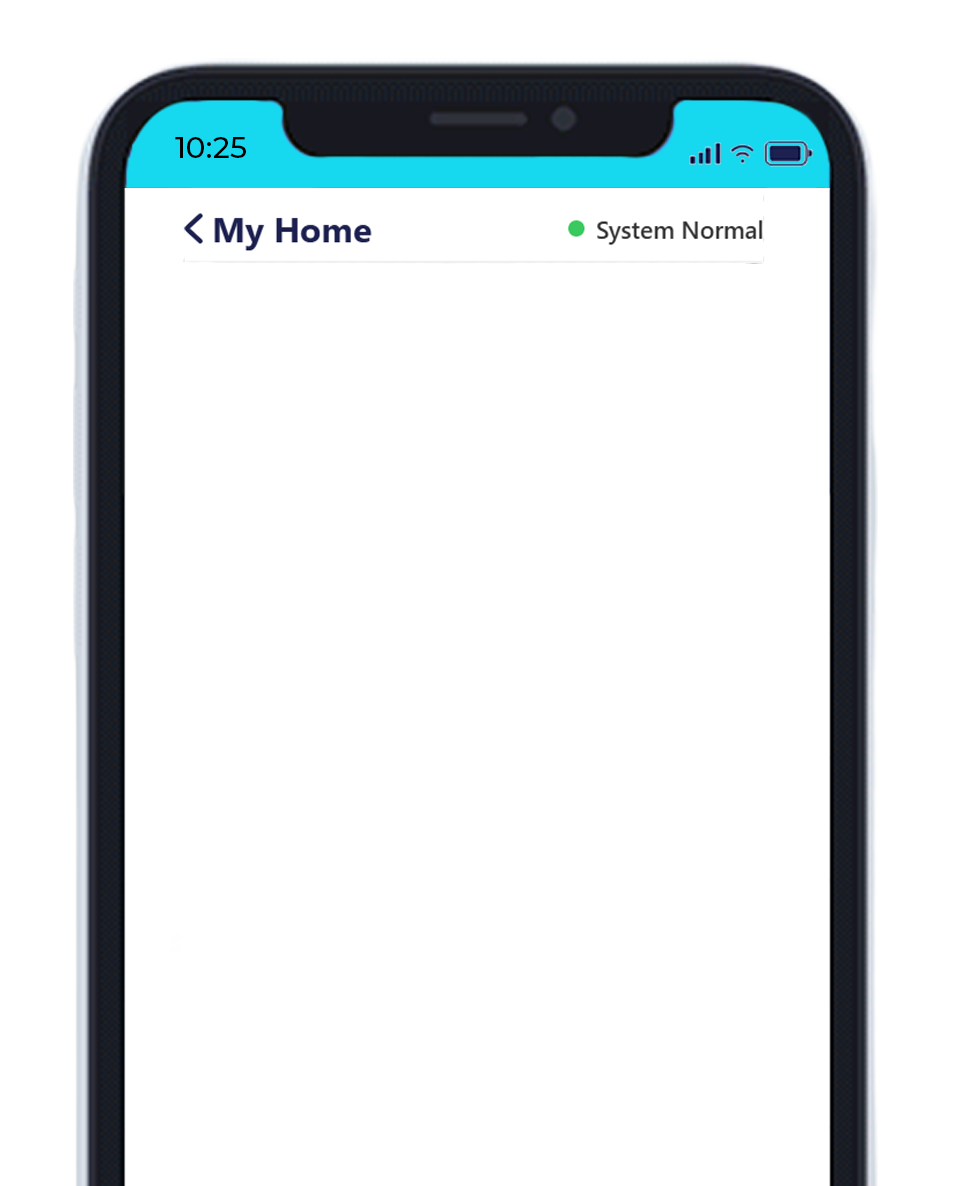
Monitoring platforms provide:
Existing System Upgrades
Battery storage can often be integrated into existing solar systems depending on system architecture, equipment compatibility, and homeowner goals. Many homeowners choose to add storage as a natural next step in expanding the capabilities of their current solar investment.
Our team evaluates existing solar equipment compatibility, electrical infrastructure requirements, backup priorities, monitoring and control integration, and long-term expansion potential.
This approach helps ensure storage integration is practical, reliable, and aligned with both current and future energy goals.
Clean energy and backup power
Connected devices and automation
Power your future on your own terms
Real-time insights from anywhere
Support for the electric home
Scalable storage for evolving needs
Clean energy and backup power
Connected devices and automation
Power your future on your own terms
Real-time insights from anywhere
Support for the electric home
Scalable storage for evolving needs
How We Work
Solar + storage systems require careful coordination between system design, electrical integration, permitting, commissioning, and homeowner education. Our process maintains clarity and communication from consultation through activation.
Review of your home's energy usage patterns, backup priorities, and long-term goals to understand the right storage approach for your property.
Detailed evaluation of electrical infrastructure, critical loads, and storage capacity requirements to design a system built around practical operational expectations.
Full system engineering, permit applications, AHJ coordination, and utility interaction managed by our in-house team.
Professional installation with attention to electrical safety, code compliance, manufacturer integration standards, and future maintenance accessibility.
Complete system configuration, backup load setup, transfer switch commissioning, and operational testing to ensure reliable performance from day one.
App setup, monitoring platform walkthrough, and homeowner education so you understand how your system operates during both normal use and outages.
Every home has different energy usage patterns, backup priorities, and long-term goals. Our team can help evaluate your home, existing system, electrical infrastructure, and operational needs to determine the right solar + storage approach for your property.
Whether planning a new solar installation or integrating storage into an existing system, we'll help design a solution built around long-term reliability and practical day-to-day performance.
Have questions about battery storage compatibility, backup options, or integrating storage into your existing solar system? Our team is happy to help evaluate your options.
📞 Call NowWhether you’re planning a new solar installation or integrating storage into an existing system, we’ll help design a solution built around long-term reliability, flexibility, and practical day-to-day performance.
Most quotes delivered in 24-48 hours.
Simple Solar provides solar + battery storage installation services throughout Arizona, helping homeowners improve backup capability, energy flexibility, and long-term energy resiliency through professionally integrated storage solutions.